Harvest Access
commercial fishing’s voice in ocean policy
PCFFA stands up for California’s working fleet, defending the right to keep producing wild, local seafood.
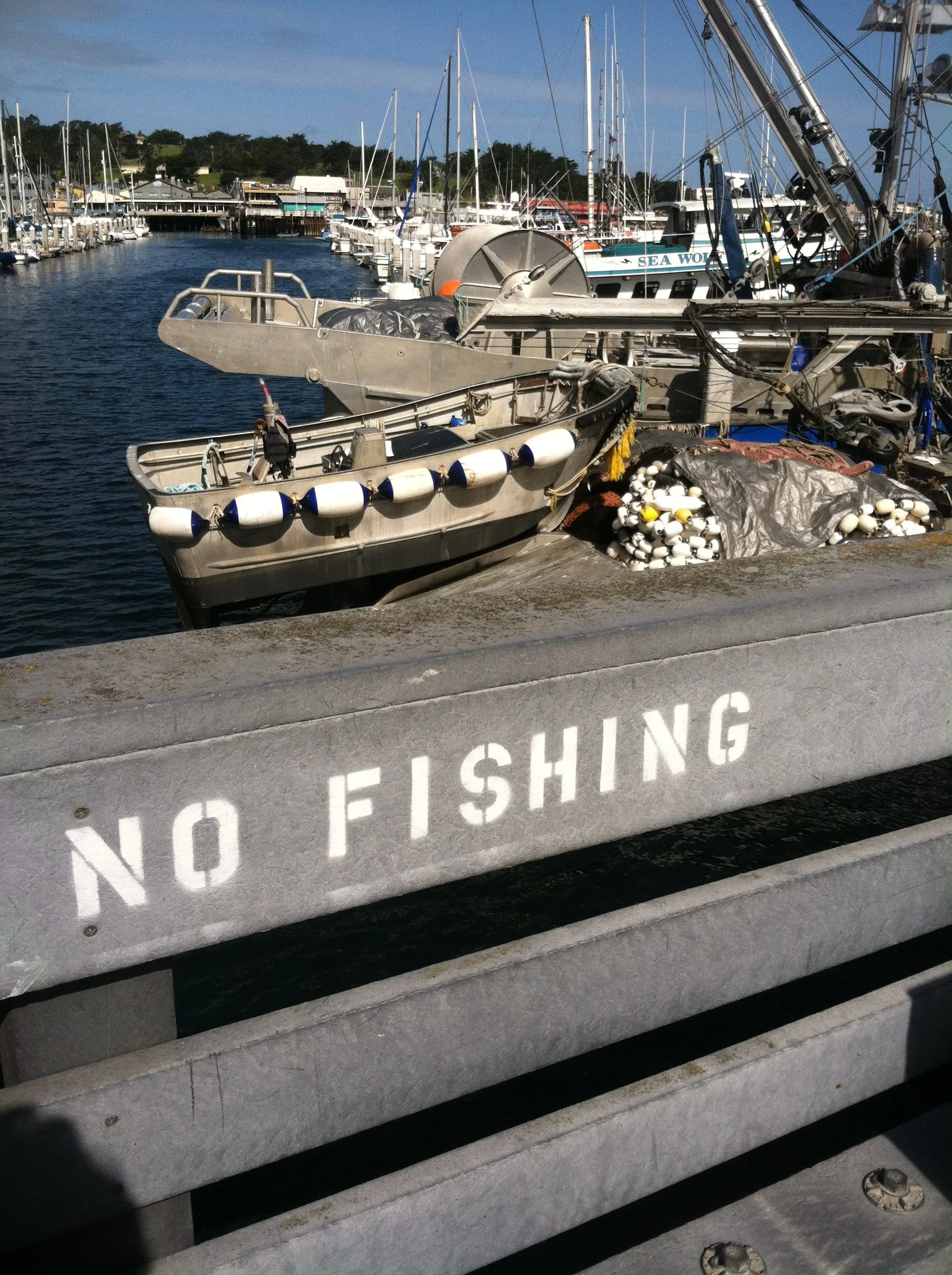
When California’s commercial fishermen come back to port, the work doesn’t stop. The catch moves through buyers, trucks, and processors, feeding local markets, restaurants, and families across the state. It all starts with the people who go to sea, take the risk, and bring back something real. Commercial fishing is hard work, carried out with skill and respect for the ocean, because feeding people and keeping ports alive should still matter.
Fishing is a results-based business, which is why it demands constant adaptation. The ocean changes, fishing conditions change, and regulations change, and fishermen adjust because that is what it takes to work, to earn, and to do their job. What has become unmanageable is the nonstop cycle of new regulations, lawsuits from advocacy groups, and bureaucratic hurdles that pile up without clear results or accountability for the consequences. California’s ocean resources are healthy, and its commercial fisheries are among the best-managed in the world. Yet the fleet keeps being asked to sacrifice, while imported seafood from countries with weak environmental and labor standards replaces California’s own harvest. Consumers still eat fish. It just no longer comes from here.
PCFFA works to bring common sense back into policy, making sure decisions are based on science and measurable outcomes, not politics or pressure.
FIGHTING EVERYWHERE:
PCFFA fights for the future of commercial fishing on every front. We lobby in Sacramento, work with Seafood Harvesters of America in D.C., and push back on efforts that turn the ocean into an industrial zone, from offshore wind and oil to large-scale aquaculture. We make sure 30x30 and other conservation goals are achieved without shutting down fishing opportunities, and we back science partnerships that connect what fishermen see on the water with how decisions get made.
our policy work
Keeping California’s fisheries open and viable takes constant work in the policy arena. PCFFA is leading that fight to make sure decisions made on paper still work on the water.
a note on conservation
California’s commercial fishermen have a long history of ocean stewardship, and we know that strong fisheries rely on healthy ocean resources.
We operate in some of the most highly regulated and healthiest oceans in the world. Conservation targets must recognize the protections already in place, not come at the cost of those who depend on the ocean for their livelihoods or the communities they feed. We can protect the ocean without closing one more area or taking away one more day of opportunity from working fishermen.
California’s 30 x 30
California’s coast already includes an extensive network of conservation areas, from national marine sanctuaries to Marine Protected Areas that limit where and how fishing can occur. The state is now advancing two related efforts: the Ocean Protection Council’s 30×30 initiative, which seeks to conserve 30 percent of state waters by 2030, and a Fish and Game Commission process that is considering petitions for new MPAs.
Some organizations promote additional closures as the main path to achieve 30×30, but the science shows that MPAs are only one of many tools for ocean conservation. Marine scientist Ray Hilborn argues that MPAs are not automatically effective for biodiversity or fisheries and that lasting results come from broad, science-based management approaches.
PCFFA supports the goals of 30×30 and will continue engaging with the Ocean Protection Council, the Fish and Game Commission, and partners across the coast to ensure that conservation progress also sustains food production, working ports, and coastal communities. PCFFA board members also serve on sanctuary advisory councils, keeping these same values present across all of California’s protected waters.

marine protected areas
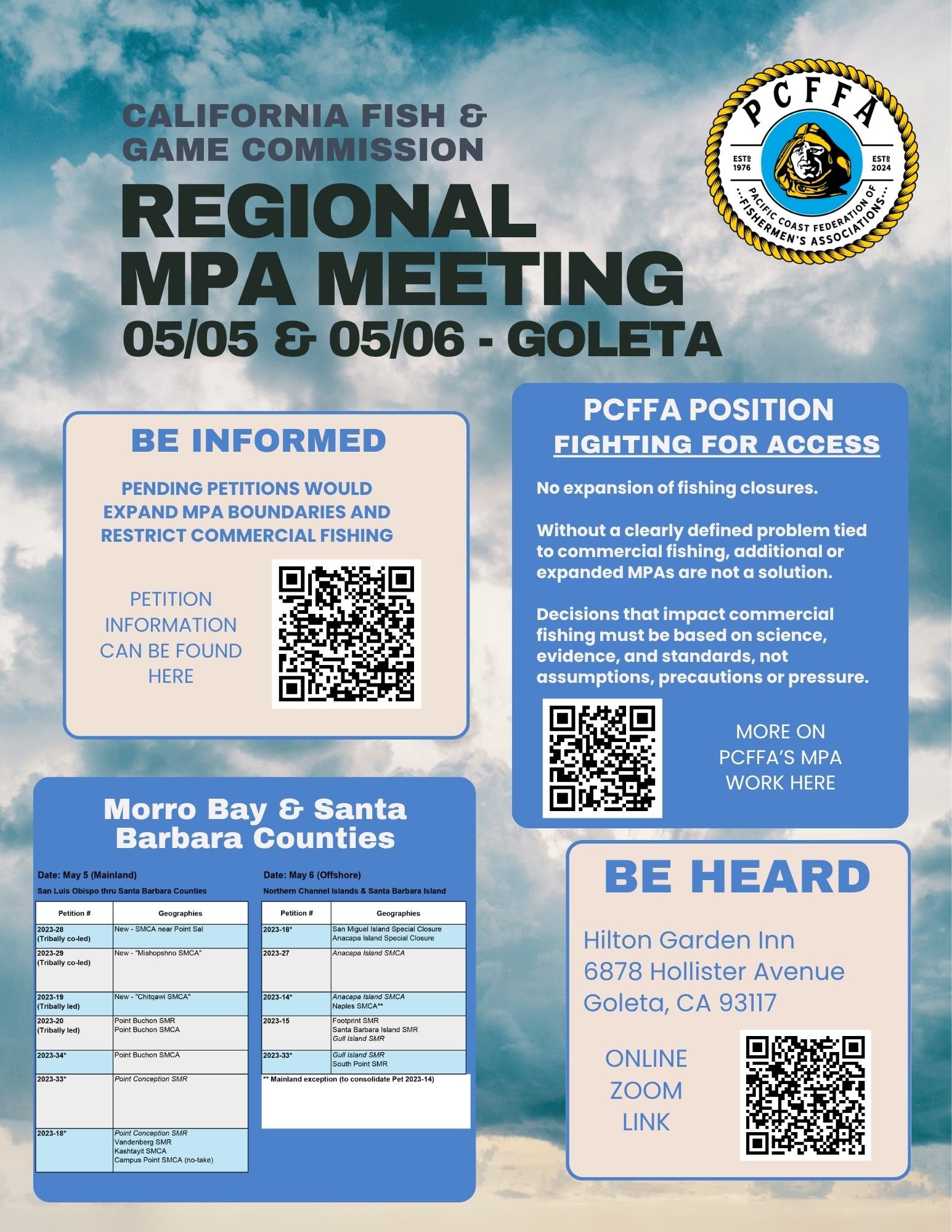
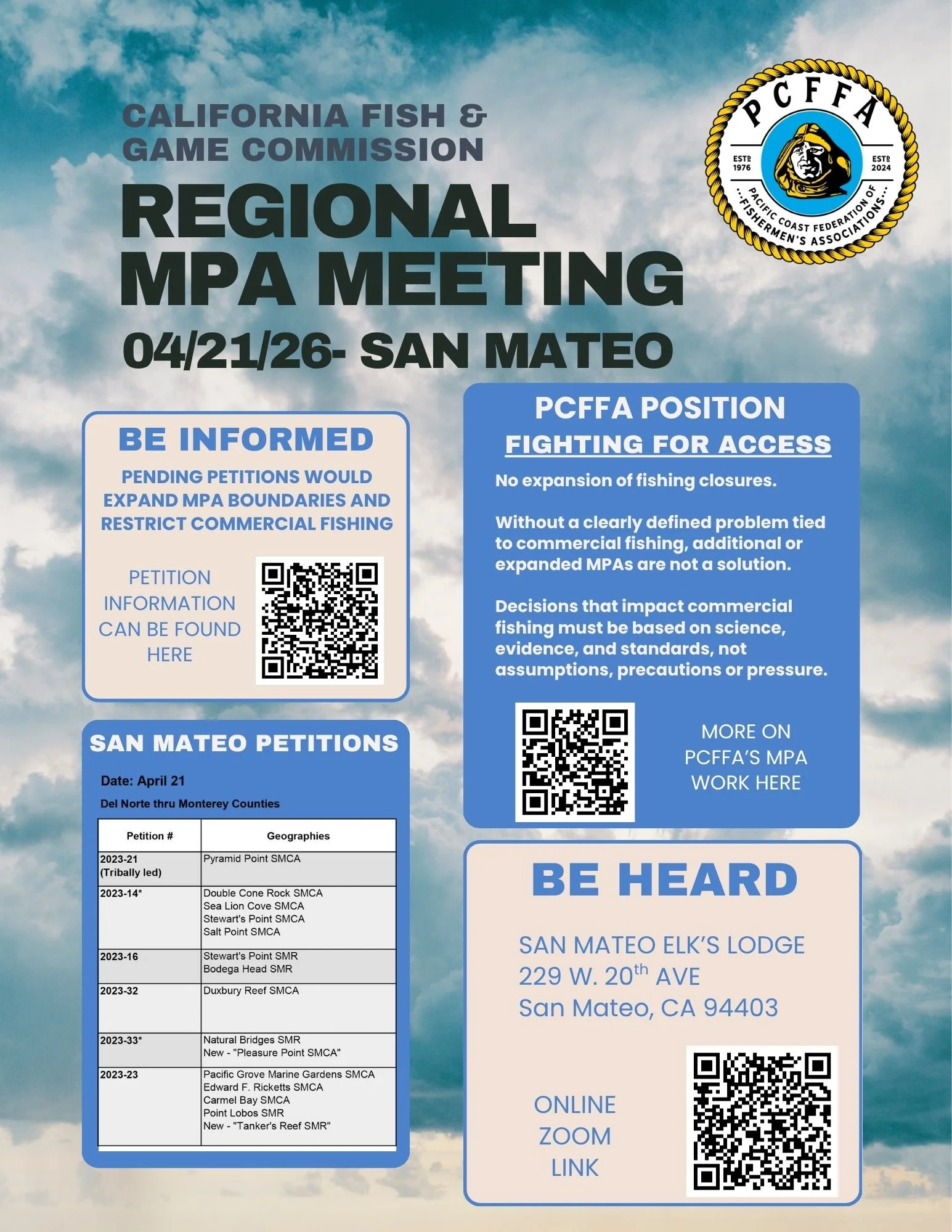
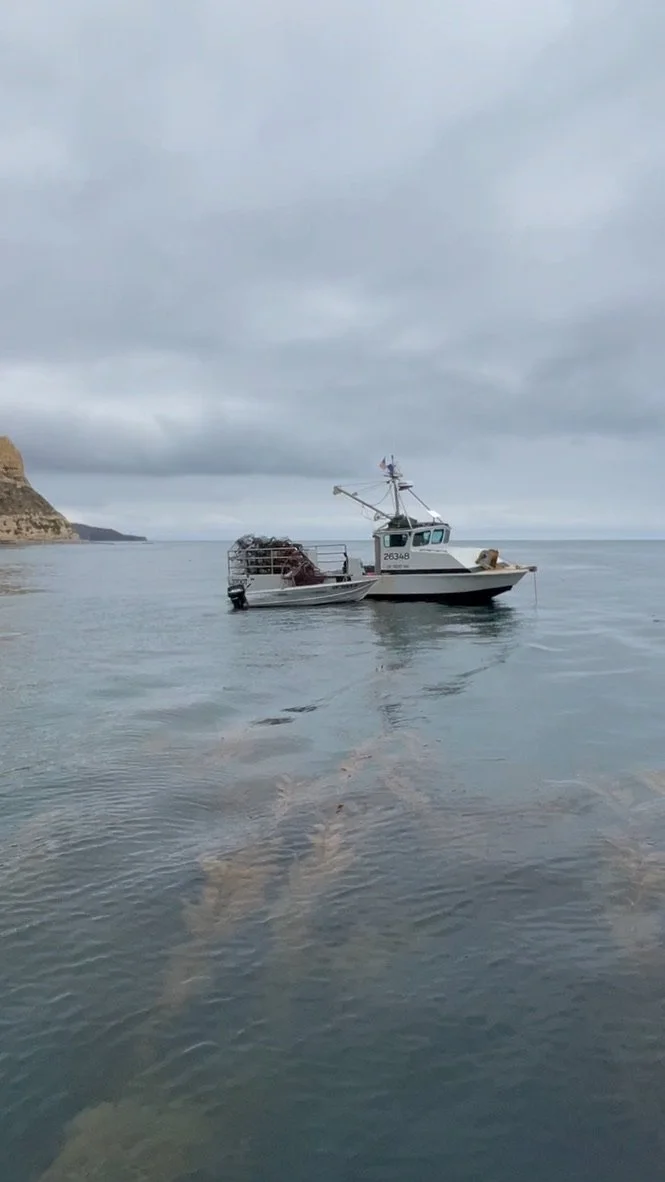
While 30x30 establishes broad conservation goals, the MPA Decadal Management Review is a specific regulatory process managed by the California Fish and Game Commission. This review evaluates the effectiveness of existing areas and considers petitions for new or modified closures. The latest petition information can be found on the CDFW Story Map site.
PCFFA is actively participating in this review to ensure that the expertise of the fleet and the success of existing fisheries management are central to the regulatory record. Our engagement is guided by a rigorous standard for any proposed changes to ocean access.
PCFFA Standards for Evaluation
Any decision to restrict commercial fishing access through the MPA process must meet a clear and consistent standard:
Demonstrated Need: There must be a clearly defined ecological problem with a demonstrated causal link to commercial fishing activity.
Existing Tool Assessment: Evidence must show that current management tools are insufficient to address the concern.
Measurable Benefits: Proponents must provide a clear showing that additional closures would provide measurable ecological benefits beyond what is already achieved.
Socio-Economic Impact: Evaluation must include the displacement of effort and impacts to the social and economic viability of coastal communities, consistent with the Commission’s Coastal Fishing Communities.
seafood harvesters of america
Through Seafood Harvesters of America, PCFFA connects California’s fleet to national fisheries policy and the professional lobbyists who represent working harvesters in Washington, D.C. This network allows PCFFA to track and influence federal actions that affect commercial fishermen, from management plans and data systems to disaster funding and trade policy.
Our participation keeps California’s perspective visible in conversations that shape how America manages its seafood supply. Seafood Harvesters brings together the country’s leading harvesting organizations to coordinate priorities, share information, and strengthen the collective voice for domestic seafood production.

fleetwide issues
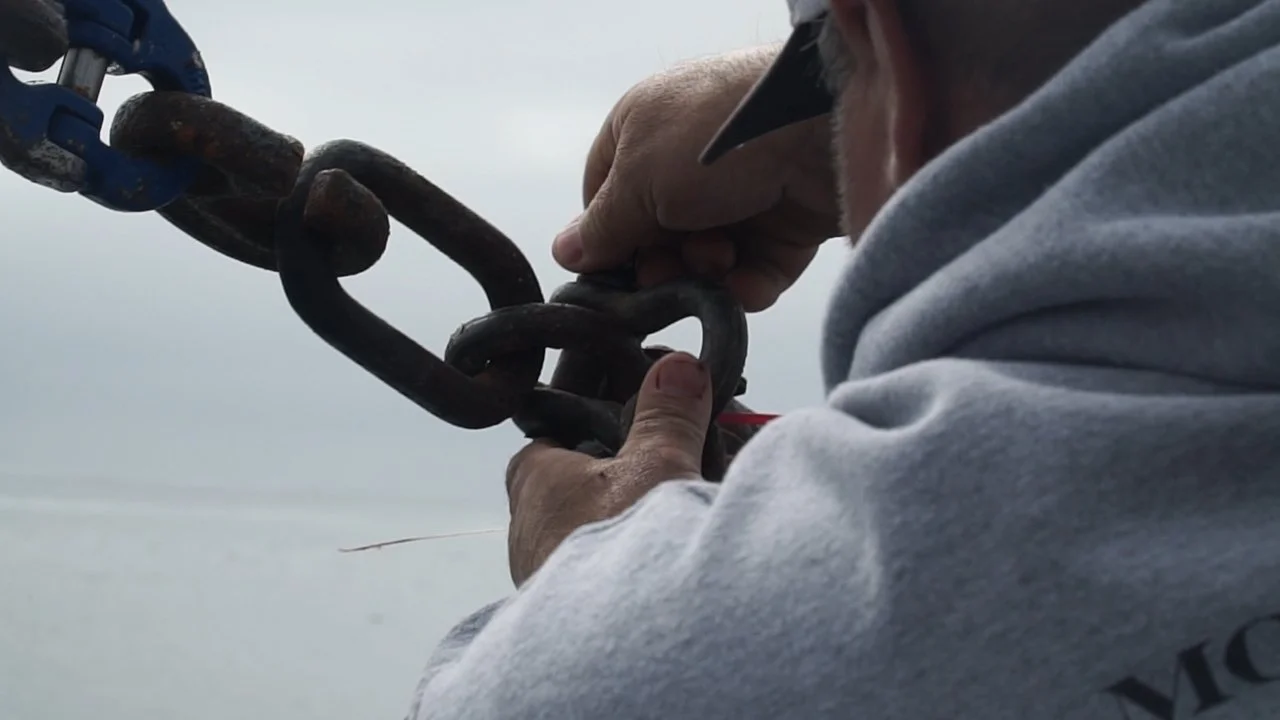
PCFFA represents the fleet where decisions are made that affect how fishermen work and who gets access to the ocean. We engage on federal and state policy, at the Pacific Fishery Management Council, and lobby in Sacramento. That includes fighting bad bills driven by advocacy groups that ignore how fisheries operate and supporting legislation that strengthens ports, infrastructure, and fair access. We also stay involved in issues that shape the future of the coast, from offshore wind and oil, industrial aquaculture, fishery insurance, climate-ready fisheries and skipper science

LATEST POLICY NEWS