California Salmon
fighting to bring back harvest
working until wild California salmon are back in the ocean and on dinner plates
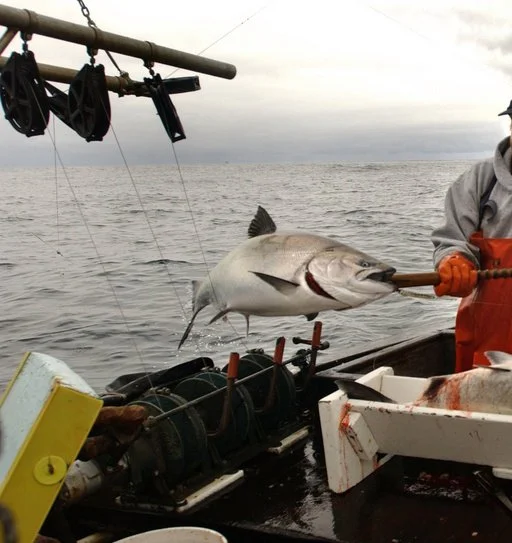
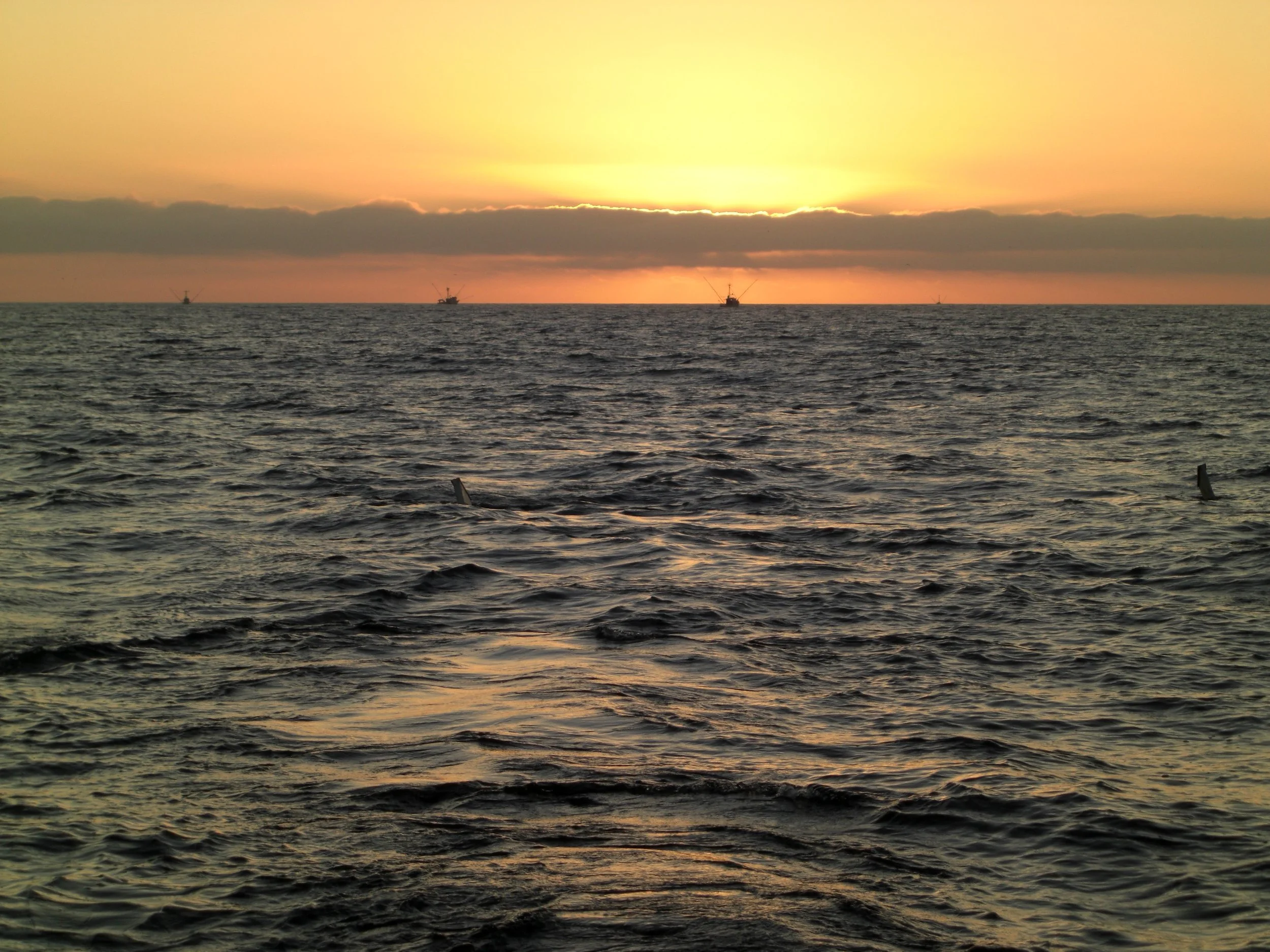
When salmon season is open, boats line up before dawn and ports come alive. For generations, California salmon sustained working ports and thousands of fishing families. The fishery has supported coastal economies and helped define the identity of fleets and communities all along the coast. For the fleet, salmon isn’t just a fishery; it’s a livelihood passed down through generations. The decline and closures have hit the fleet hard and strained the ports and communities that rely on it.
Every salmon run in California faces challenges. In some rivers, especially where dams are coming down, there’s new hope for reintroduction and future natural abundance. But the Central Valley system, which once produced the Fall Run salmon that we are allowed to harvest in the commercial ocean fishery, can no longer support a reliable fishery. Salmon are resilient; they’ve adapted for thousands of years, but when water management and inland trade-offs destroy the conditions they need, too few make it to the ocean and to the fleet and communities that depend on them.
THE LONG ROAD BACK
PCFFA is in this fight for the long haul, working to rebuild meaningful salmon access and harvest for California’s commercial ocean fleet. We are working toward smarter water management that reflects real salmon needs for out-migration and return, and measures success by strong, harvestable ocean abundance. We support targeted work that helps salmon survive while focusing on rebuilding production through reintroduction and hatchery reform.
In the Central Valley, hatcheries were created more than a century ago for food production. PCFFA is working to restore that original purpose alongside state- and federal-hatchery operations focused on conservation. We are improving data coordination, refining release timing, and collaborating with agencies to adapt strategies that address poor water conditions.
our work in the salmon fishery
Restoring California’s salmon means fighting for harvestable fish in the ocean and the freshwater conditions that make that possible. PCFFA is leading that work to bring back abundance and restore the future of this fishery.
salmon advocacy
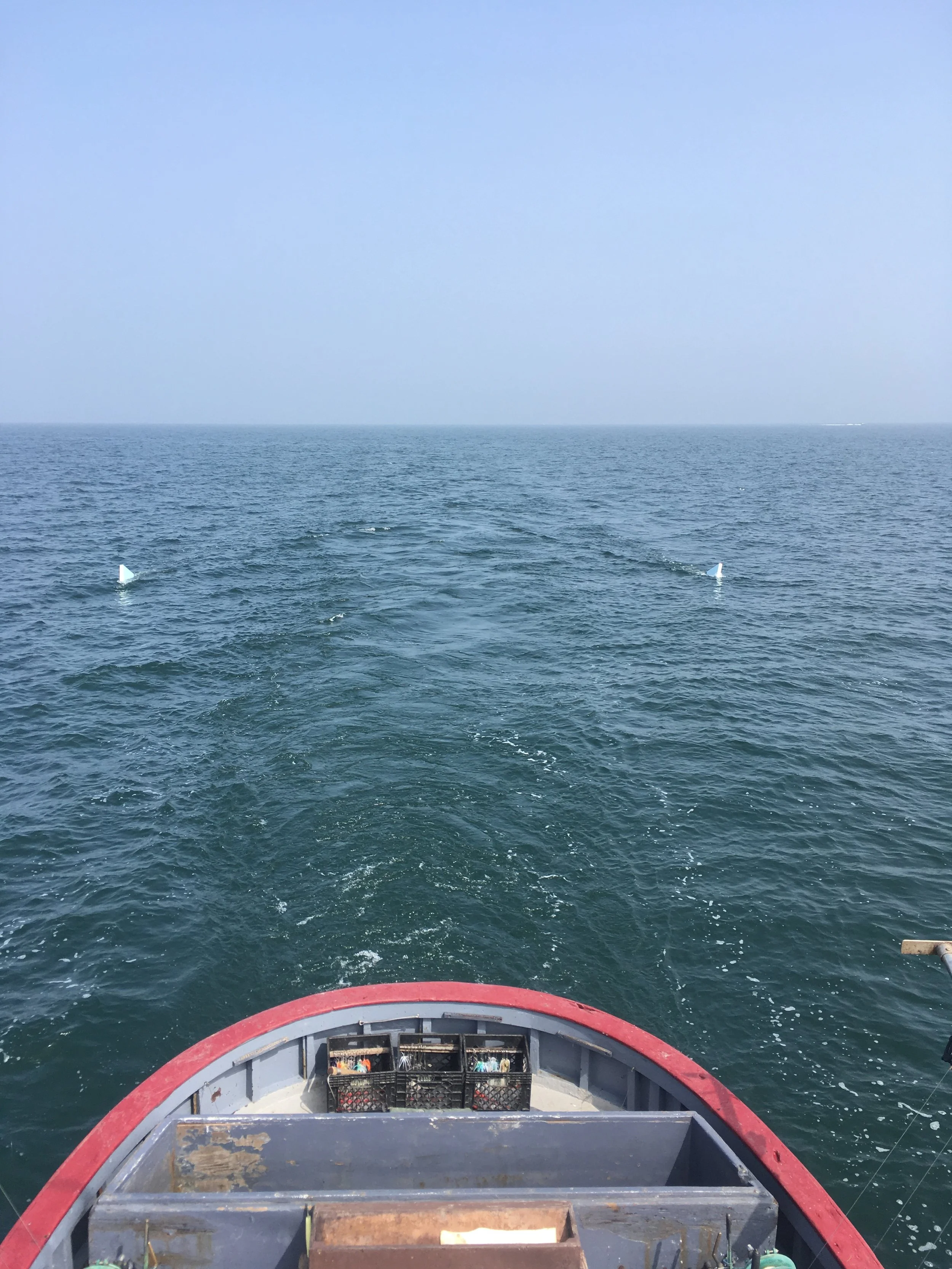
PCFFA represents California’s commercial salmon fleet in the forums where management decisions are made. We participate in multiple state and federal processes that shape salmon and water policy, including the Salmon Advisory Subpanel of the Pacific Fishery Management Council, where we advocate for the greatest possible opportunity for ocean harvest while keeping future seasons in mind.
PCFFA also serves on the California Commercial Salmon Trollers Advisory Committee, which guides how salmon stamp funds are used, advocating for flow, habitat restoration, hatchery improvements, and education that strengthen the fishery and coastal communities. Across all venues and in every discussion that impacts salmon, PCFFA brings attention to the importance of ocean abundance and the critical need to maintain a working fishery that supports California’s coastal communities. We also continue to press for federal disaster relief for the fleet during closures.
Our top priority is addressing the collapse of fall-run Chinook in the Sacramento River system that our fleet depends on most. But every salmon watershed matters. As production improves in other rivers, more salmon reach the ocean and contribute to abundance, creating more opportunities. PCFFA works across watersheds to make sure recovery investments translate into real fishing seasons and a viable future for the fleet.
the bridge group
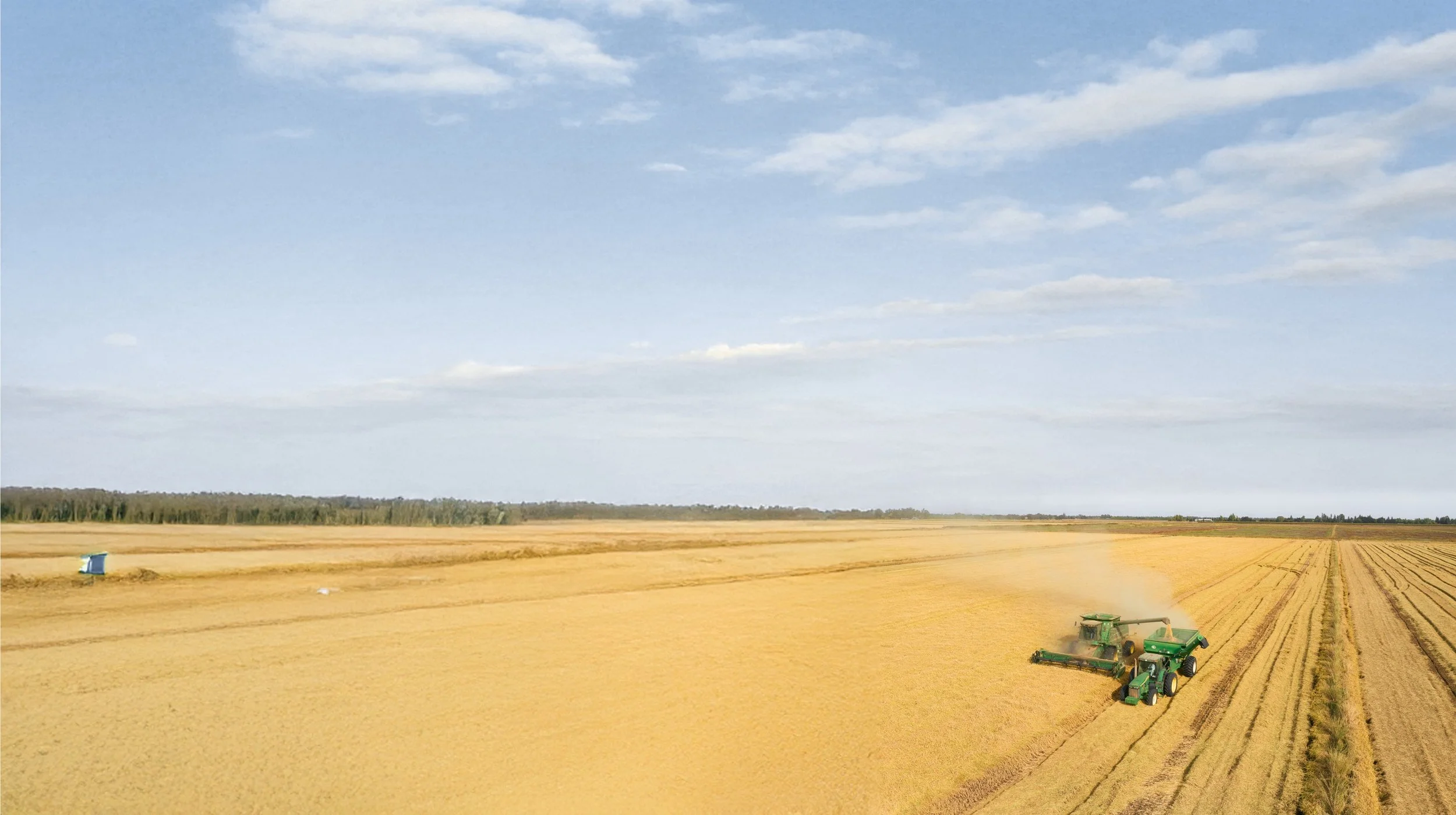
PCFFA represents California’s commercial ocean fleet in the Bridge Group, a coalition of fishermen, farmers, researchers, and conservationists working to rebuild Northern California salmon runs. The group focuses on real projects that connect river and ocean, coordinating hatchery releases, improving migration routes, and restoring habitat so more salmon reach the ocean.
The Bridge Group grew out of years of gridlock between water and fish interests and now includes organizations representing agriculture, fishing, and science, including the UC Davis Center for Watershed Sciences, the Bureau of Reclamation, and the California Department of Fish and Wildlife. Together, we are tackling migration challenges, hatchery practices, food availability, and rearing habitat in the Sacramento River system.
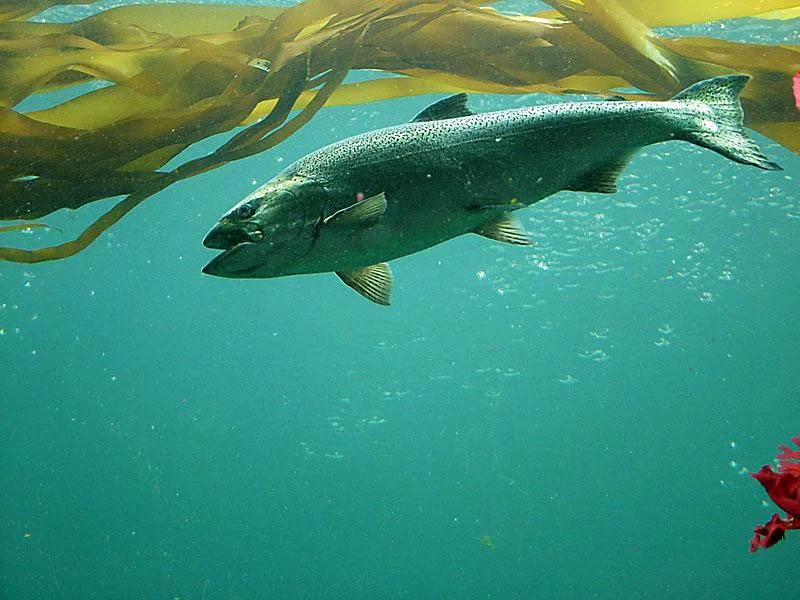
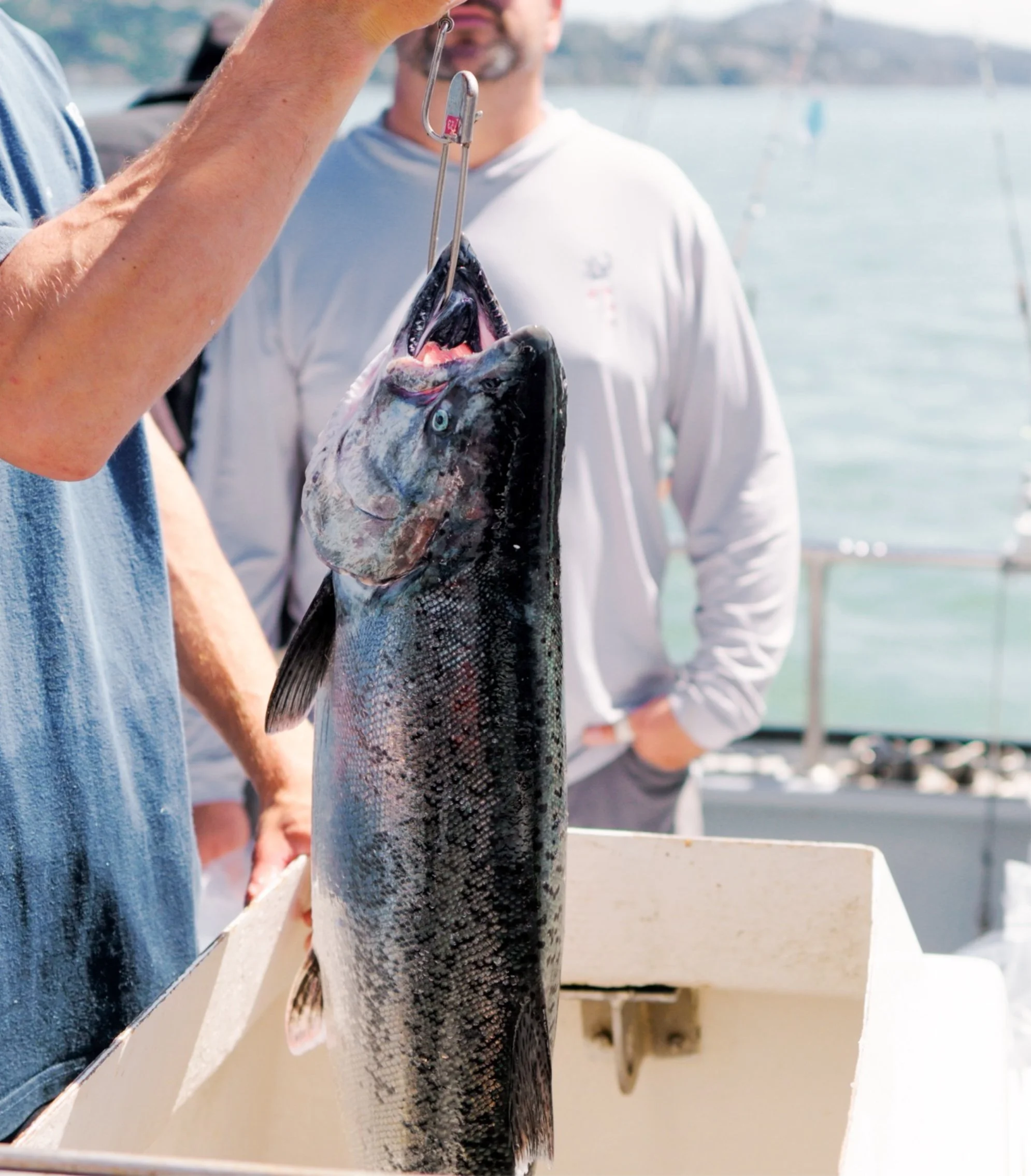
PCFFA’s role keeps the commercial fleet at the table to ensure that restoration and water strategies translate into harvestable salmon and open seasons, not just more studies. The Bridge Group’s cooperative approach shows that fishermen and farmers can move beyond the old fight over water and build a future where salmon recovery and working landscapes go hand in hand
hatchery modernization
PCFFA works to ensure California’s hatchery system meets its full mitigation obligations for salmon lost to dams and water projects. We have partnered with PCFFA affiliate member Golden Gate Fishing Association and inland fishermen at the Nor Cal River Guides & Sportsmen Association to advance the Fishing Industry Salmon Hatchery Initiative (FISHI) for increased hatchery production and improved strategies.
Our focus is on ensuring that hatchery output reflects real fishery needs and supports a viable ocean and inland harvest. We are working with partners to advance proposals for expanded and updated facilities, stronger coordination among programs, and production targets that track with ocean outcomes.
how the fishery is managed
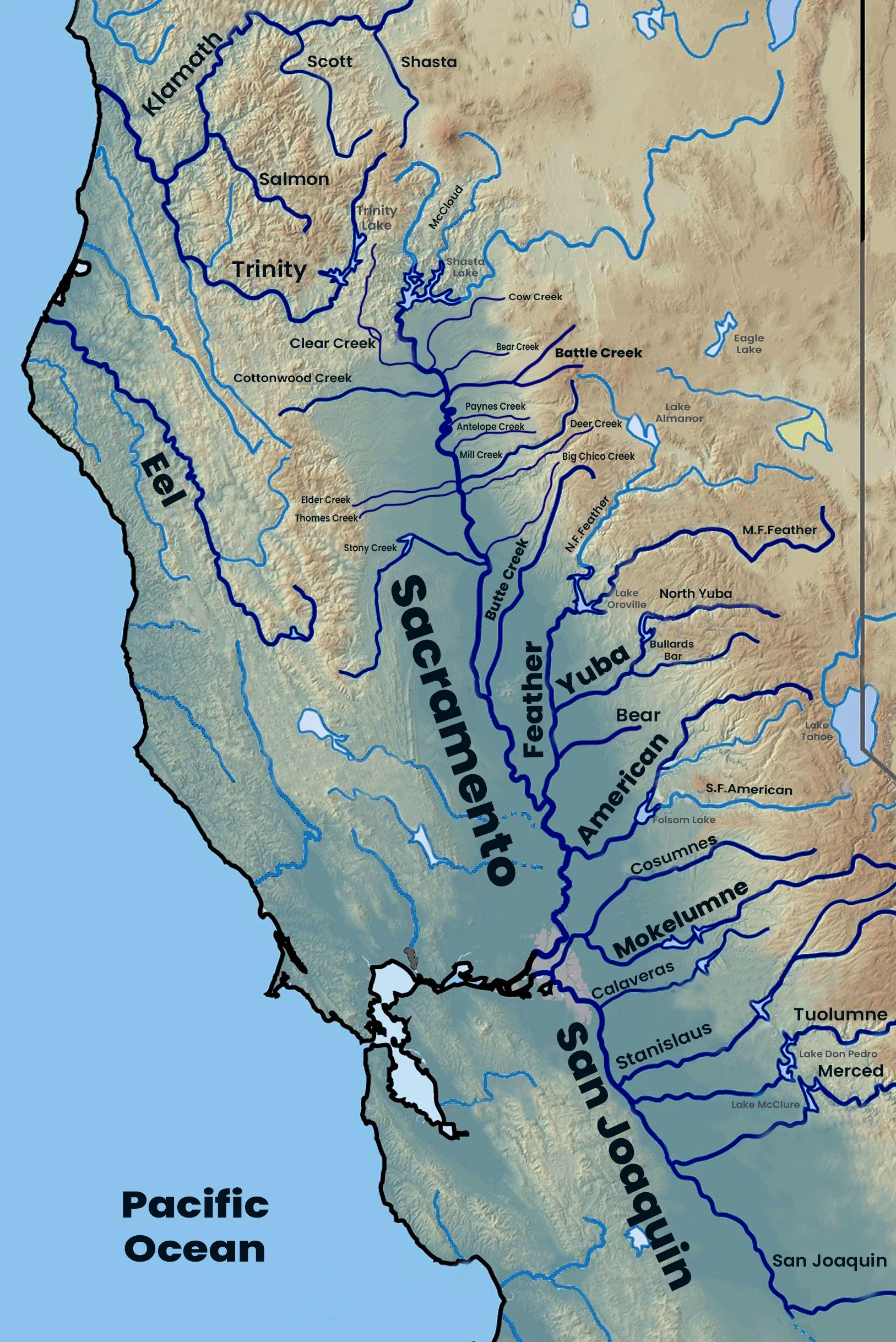
Salmon management in California is a web of river conditions, hatchery practices, and water policy decisions that all feed into what the commercial fleet and our port communities depend on, salmon in the ocean. Each year’s commercial ocean harvest, along with other salmon harvest opportunities, depends on forecasts, hatchery returns, and how many juveniles reach the ocean. The Pacific Fishery Management Council, advised by bodies such as the Salmon Advisory Subpanel made up of stakeholders and the Salmon Technical Team, sets harvest levels and escapement goals. California’s commercial ocean salmon fishery has now been closed for three years, which has brought fishermen, managers, and advocates into closer alignment on lasting solutions.
The process is overseen federally through the Pacific Fishery Management Council, with input from state managers, fishermen, and scientists. California’s Department of Fish and Wildlife implements those decisions through state regulations. It’s a complex system, but PCFFA stays in the middle of it, pushing for practical management, increased hatchery production, and better river conditions in all watersheds that will lead to more salmon in the ocean and a return to open, reliable seasons.

latest salmon news